
How a CNC Floor Type Milling And Boring 天美直播Improves Large-Part Production (3)
Floor type structure and large workpieces
Why do large workpieces require floor-type machines?
One important reason is that large workpieces are not suitable for frequent handling.
If a traditional workbench-type device is used, the workbench not only needs to support the workpiece, but also needs to meet the structural requirements caused by the movement of the workpiece.
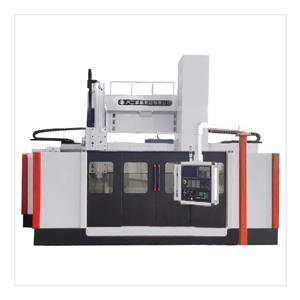
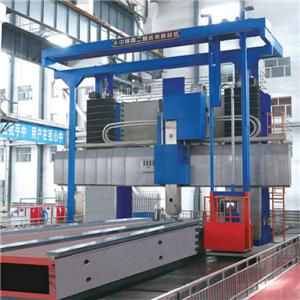
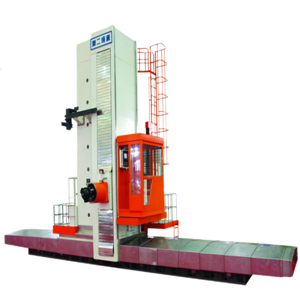
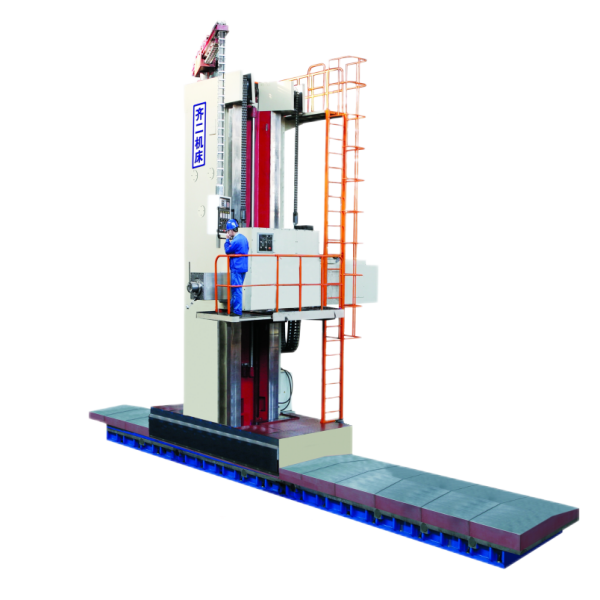
Floor-type milling and boring machines typically place large workpieces on a fixed floor table, with the machining system moving along the equipment structure.
This method is especially suitable for:
Long workpieces
Heavy workpieces
Large machine bases
Large housings
Heavy structural components
For purchasing personnel, this is also an important basis for judging whether the type of equipment is appropriate.
If the workpiece is very heavy and its length significantly exceeds the working range of a conventional machining center, then a floor-type machining solution deserves serious consideration.
The machine is only part of the machining system
When purchasing large CNC equipment, one should not only look at the main unit.
Complete processing capacity is actually determined by multiple factors:
天美直播structure
It determines the overall rigidity and stability of the equipment.
Spindle system
It determines cutting capability and tool adaptability.
CNC control
It determines program execution, axis control, and complex machining capabilities.
Tooling
It determines the actual material removal capacity and surface finishing effect.
Workholding
This determines whether the workpiece can be stably fixed.
Measuring system
This determines whether the final machining dimensions and positional accuracy can be effectively controlled.
Therefore, when customers inquire about floor-type horizontal milling and boring machines, the real issue to discuss is not:
How many kilowatts does this machine have?
Instead, we should discuss:
What are you planning to process?
How big is the workpiece?
Which surfaces need to be processed?
What are the dimensions of the hole?
"What are the materials?"
What level of precision is required?
What is the annual output?
What equipment is currently being used for processing?
Only by combining these issues can the equipment configuration be truly determined.
How different industries benefit from this machine
Mining equipment
Mining equipment parts are typically large in size, heavy in weight, and need to withstand large working loads.
For example, large frames, housings, and connecting parts may require extensive machining of planes and holes.
For these workpieces, equipment rigidity and machining space are very important.
Energy equipment
The energy industry has high requirements for the size and processing quality of large mechanical parts.
Some equipment parts require multiple mounting surfaces and high-precision hole systems.
Using a CNC Floor Type Milling and Boring 天美直播allows multiple machining steps to be integrated onto a single machining platform.
Heavy machinery
Heavy machinery manufacturing is a typical application area for floor-type boring milling machines.
Large machine bases, housings, and structural components often cannot be economically produced using conventional machining centers.
Shipbuilding and marine equipment
Ships and marine engineering equipment involve a large number of large structural components.
The machining space and clamping method of these parts are significantly different from those of ordinary parts.
General engineering
Even if a company does not belong to a specific industry, as long as it processes large and complex metal parts in the long term, it may benefit from floor type machining solutions.